
Rookie's Advantage: 9 Shopify SEO Secrets for New Stores
The 'Rookie's Advantage': 9 Shopify SEO Secrets New Stores Can Use to Outperform Veterans (10X Traffic by 2026!)
In the bustling world of online commerce, launching a new store can feel like stepping into a fiercely competitive arena. Established brands often dominate search engine results, wielding years of accumulated authority and massive marketing budgets. However, we have systematically analyzed countless success stories and observed a powerful phenomenon: the "Rookie's Advantage." This isn't about mere luck; it's about strategic agility, a fresh perspective, and the ability to implement modern SEO tactics that older, more entrenched competitors often overlook or are too slow to adapt to.
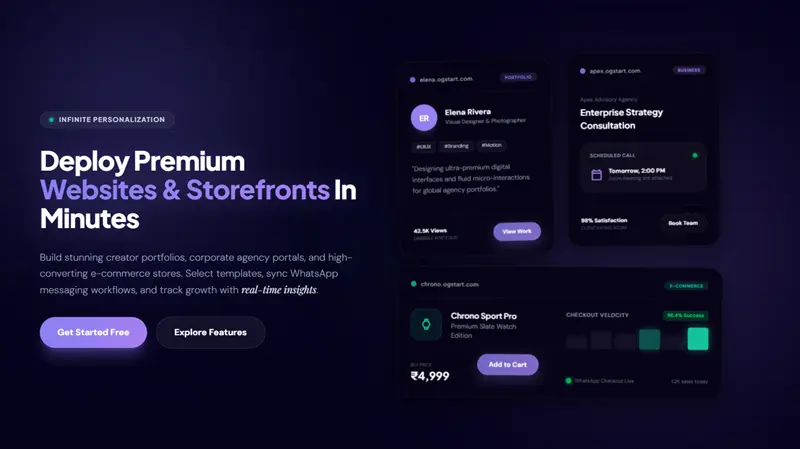
For first-time founders, Instagram and WhatsApp sellers, freelancers, creators, and local businesses, the idea of competing with e-commerce giants can be daunting. Yet, with platforms like OGStart, you can Launch Premium Websites & Storefronts - OGStart for as little as Rs. 99, providing an affordable and robust foundation. This allows you to channel your precious resources and energy into smart growth strategies, particularly search engine optimization (SEO), rather than exorbitant platform fees from day one. In this comprehensive guide, we will uncover nine Shopify SEO secrets that empower new stores to not just survive, but thrive and significantly outperform veterans, potentially boosting your traffic tenfold by 2026.
Understanding Shopify SEO for Beginners: Your Digital Foundation
Before diving into advanced tactics, it's crucial to grasp the fundamentals of SEO, especially within the Shopify ecosystem. SEO, or Search Engine Optimization, is the practice of increasing the quantity and quality of traffic to your website through organic search engine results. When someone types a query into Google or another search engine, SEO helps your store appear higher in those results, making it more visible to potential customers.
For a new Shopify store, SEO isn't just a marketing channel; it's the bedrock of sustainable growth. Unlike paid advertising, which stops delivering traffic the moment your budget runs out, organic search traffic is a continuous stream of highly qualified visitors who are actively searching for what you offer. Shopify, while user-friendly, provides the tools for SEO, but it requires your proactive effort to configure and optimize them correctly.
Search engines operate by crawling, indexing, and ranking web pages. They use complex algorithms to determine the relevance and authority of your content in relation to a user's search query. This involves scrutinizing everything from your website's content and structure to its loading speed and how other reputable sites link to it. As a new store, your challenge and opportunity lie in demonstrating this relevance and authority efficiently and effectively from the outset.
The "Rookie's Advantage" Mindset: Agility Over Legacy
The "Rookie's Advantage" isn't about having more resources; it's about having fewer constraints. Established businesses often carry the burden of legacy systems, complex decision-making processes, and a fear of disrupting what has "always worked." New stores, however, are nimble. You can:
- Focus on a Niche: Instead of trying to serve everyone, you can hyper-focus on a specific target audience with unique needs. This allows for deeply relevant content and highly targeted SEO.
- Embrace New Trends: You're not beholden to old strategies. You can quickly adopt new SEO techniques, algorithm updates, and emerging content formats that older players might ignore.
- Prioritize User Experience (UX): Building from the ground up allows you to bake in an exceptional user experience, which Google increasingly values as a ranking factor.
- Create Fresh, Authentic Content: Without years of existing content to manage, you can produce highly engaging, original content that truly answers customer questions and demonstrates genuine expertise.
This agility is your superpower. While veterans battle for broad, highly competitive keywords, you can carve out your own space by being the best, most relevant answer for specific, often underserved queries.
9 Shopify SEO Secrets for New Stores
1. Niche Down and Own Your Keywords
When you're starting out, competing for broad keywords like "women's shoes" is a losing battle. Instead, embrace the power of long-tail keywords. These are longer, more specific phrases (e.g., "handmade vegan leather sandals for summer weddings"). While they have lower search volume, they attract highly qualified traffic, meaning visitors are closer to making a purchase. We recommend using free tools like Google Keyword Planner, AnswerThePublic, or even analyzing competitor product descriptions to identify these hidden gems. Focus on the problems your products solve and the specific needs of your niche audience. For instance, if you sell artisanal coffee, target keywords like "best single-origin pour-over coffee beans" instead of just "coffee."
2. Master On-Page SEO Basics for Every Product Page
Each product page on your Shopify store is a potential entry point for a customer from a search engine. Therefore, optimizing these pages is paramount. Pay close attention to:
- Product Titles: Include your primary keyword naturally at the beginning.
- Product Descriptions: Write unique, compelling, and keyword-rich descriptions that aren't just copied from manufacturers. Tell a story, highlight benefits, and use related keywords.
- Meta Descriptions: Craft enticing snippets that summarize the page content and encourage clicks from search results. Include a call to action.
- Image Alt Text: Describe your product images using relevant keywords. This helps visually impaired users and search engines understand your visuals.
- URL Structure: Keep your URLs clean, concise, and keyword-rich (e.g., yourstore.com/products/blue-cotton-t-shirt).
These elements tell search engines exactly what your product is about, significantly increasing its chances of ranking for relevant queries.
3. Leverage Shopify's Blog for Content Marketing
A blog on your Shopify store is not just for sharing company news; it's a powerful SEO tool. By consistently publishing high-quality, relevant content, you can attract visitors who are in the early stages of their buying journey. Think about topics related to your products or industry that answer common customer questions, solve problems, or offer valuable insights. For example, if you sell sustainable fashion, blog posts like "5 Ways to Style Your Organic Cotton Dress" or "The Environmental Impact of Fast Fashion" can attract an audience interested in your values.
Internal linking from your blog posts to relevant product pages helps distribute "link juice" and signals to search engines the importance of those product pages. Furthermore, maintaining a well-organized blog contributes to your site's overall authority. If you're considering enhancing your site's performance, our Website Redesign Checklist: Stop Losing Leads, Boost Sales - OGStart offers valuable insights that can be applied to both new content creation and existing page optimization.
4. Optimize for Mobile-First Indexing
Google predominantly uses the mobile version of your content for indexing and ranking. This means if your Shopify store isn't optimized for mobile devices, you're at a significant disadvantage. While most modern Shopify themes are responsive, it's essential to test your store's mobile performance. Check page load speeds on mobile, ensure all elements are easily clickable, and verify that text is readable without zooming. A seamless mobile experience is crucial for both user satisfaction and search engine rankings. We advise using Google's Mobile-Friendly Test and PageSpeed Insights tools to identify and address any issues.
5. Build High-Quality Backlinks Strategically
Backlinks – links from other reputable websites to your store – are still a critical ranking factor. For new stores, the focus should be on quality, not quantity. A few authoritative links are far more valuable than many spammy ones. Strategies include:
- Guest Posting: Write valuable content for relevant industry blogs, including a link back to your store.
- Influencer Collaborations: Partner with micro-influencers who genuinely use and love your products, leading to authentic mentions and links.
- Local Directories: List your business in relevant local online directories (e.g., Google My Business, Yelp if applicable) to build local SEO presence.
- Product Reviews: Send free samples to bloggers or journalists in exchange for honest reviews that may include a link.
Always prioritize links from sites that are relevant to your niche and have high domain authority. Link building is about building relationships and offering value.
6. Harness the Power of Product Reviews and User-Generated Content
User-generated content (UGC), particularly product reviews, is a goldmine for SEO. When customers leave reviews, they often use natural language and keywords that potential buyers are searching for. This fresh, unique content signals to search engines that your product pages are active and relevant. Moreover, reviews build trust and social proof, encouraging conversions. Implement an app to collect reviews post-purchase and prominently display them on your product pages. Encourage customers to include photos or videos, further enriching your content. This not only helps SEO but also significantly improves your conversion rates.
7. Implement Structured Data (Schema Markup)
Structured data, also known as Schema Markup, is code that you can add to your website to help search engines better understand your content. For Shopify stores, this often translates to rich snippets for products in search results, showing price, availability, star ratings, and review counts directly in Google. This makes your listings stand out, increasing click-through rates even if you're not in the #1 position. Shopify themes often include some basic schema, but you can enhance it using apps or manual implementation. For instance, product schema helps Google understand details like 'aggregateRating', 'offers', and 'brand', which contribute to richer search results. For a comprehensive understanding of how Google recommends structured data implementation, refer to Google's Product Structured Data Guidelines.
8. Monitor and Analyze Your Performance
SEO is not a "set it and forget it" strategy. Regularly monitoring your performance is crucial for identifying what's working and what needs adjustment. Integrate Google Analytics and Google Search Console with your Shopify store. These free tools provide invaluable data:
- Google Analytics: Track traffic sources, user behavior, conversions, and page performance.
- Google Search Console: Monitor your site's indexing status, identify crawling errors, see which queries your site is ranking for, and understand click-through rates.
We systematically analyze this data to identify trends, discover new keyword opportunities, and pinpoint areas for improvement. For example, a page with high impressions but low clicks might need a more compelling meta description. This iterative process of analysis and optimization is fundamental to long-term SEO success.
9. Focus on User Experience (UX) for Better Rankings
Beyond keywords and backlinks, Google increasingly prioritizes user experience as a ranking factor. A website that is fast, easy to navigate, and provides a smooth shopping journey will naturally perform better in search. Key UX elements include:
- Page Speed: Optimize images, leverage browser caching, and ensure your theme is lightweight.
- Clear Navigation: Intuitive menus and logical category structures help users and search engines find content.
- Responsive Design: As discussed, ensuring your site looks and functions well on all devices is critical.
- Easy Checkout Process: A complicated checkout flow leads to abandoned carts and negative user signals.
When users have a positive experience on your site, they spend more time, view more pages, and are less likely to bounce back to search results. These signals tell Google that your site provides value, which can positively influence your rankings. Think of your store as a welcoming retail space; the easier and more pleasant it is to shop, the more likely customers are to return and spread the word.
Old Strategies vs. New Strategies: The Rookie's Edge
To highlight the "Rookie's Advantage," let's compare how new, agile stores approach SEO versus the often-outdated methods still employed by some legacy businesses:
| Feature | Old SEO Strategy (Veterans) | New SEO Strategy (Rookies) |
|---|---|---|
| Keyword Focus | Broad, high-volume, competitive keywords; keyword stuffing. | Specific, long-tail, niche-oriented keywords; semantic search optimization. |
| Content Approach | Generic product descriptions; infrequent, promotional blog posts. | Unique, valuable, problem-solving content; consistent blogging; varied formats. |
| Backlink Building | Quantity over quality; purchased links; directory spam. | Quality, relevant links; relationship building; guest posting; influencer outreach. |
| Technical SEO | Overlooking mobile optimization; slow page speeds; outdated site architecture. | Mobile-first design; optimized page speed; clean URL structure; structured data implementation. |
| User Experience (UX) | Secondary consideration; focus on search engines only. | Primary focus; site speed, navigation, ease of purchase, mobile responsiveness. |
| Adaptability | Slow to adapt to algorithm changes; resistant to new technologies. | Quickly embraces new SEO trends, algorithm updates, and platform features. |
Beyond the 9 Secrets: The OGStart Advantage for New Businesses
Implementing these nine SEO secrets requires dedication and focus. This is precisely where OGStart provides a significant advantage for new founders. When you're launching your business online for Rs. 99, and upgrade only when your business grows, you're not burdened by the immense upfront costs that often stifle innovation and experimentation.
OGStart handles the crucial technical backbone of your online presence:
- Hosting: We manage all the complexities of web hosting, ensuring your site is fast and reliable.
- Platform Infrastructure: We provide a robust and scalable platform, whether you're building an e-commerce store, a portfolio site, a business website, or a simple online presence.
- Website/Store Management: We take care of the technical aspects, allowing you to focus on your products, customers, and SEO strategy.
- Scaling: As your business grows, our platform scales with you, ensuring you're never paying for features you don't need on day one. For a clear understanding of our scalable solutions, please visit our Pricing Plans - OGStart page.
This means you don't have to worry about server maintenance, security updates, or site performance issues. You can start with an OGStart subdomain and connect your own custom domain later – a critical step for long-term SEO and brand building. The key takeaway is clear: while you will need to buy and connect your own domain, OGStart provides everything else you need to get online quickly, validate your ideas affordably, and then pour your energy into making your business discoverable through effective SEO.
Don't pay like a big brand on day one. Start small, launch fast, and dedicate your resources to the smart growth tactics that will truly move the needle.
Conclusion: Embrace Your Rookie's Advantage
The journey to 10X traffic by 2026 for a new Shopify store isn't a pipe dream; it's an attainable goal built on strategic SEO. By embracing the "Rookie's Advantage" – your agility, focus, and willingness to adopt modern tactics – you can effectively carve out your niche in a crowded market. From meticulous keyword research and on-page optimization to leveraging content marketing, securing quality backlinks, and prioritizing user experience, every step contributes to building your store's authority and visibility.
Remember, the goal is not just to rank higher, but to attract the right customers who are ready to convert. With an affordable, powerful foundation like OGStart, you have the freedom to invest your time and creative energy into these critical SEO strategies. So, launch your vision, apply these secrets diligently, and watch your business not just grow, but truly outperform. The digital landscape is waiting for your fresh perspective.