
The 2026 Shopify SEO Road-map: 8 Non-Negotiable Steps for New Stores to Explode Organic Traffic & Sa
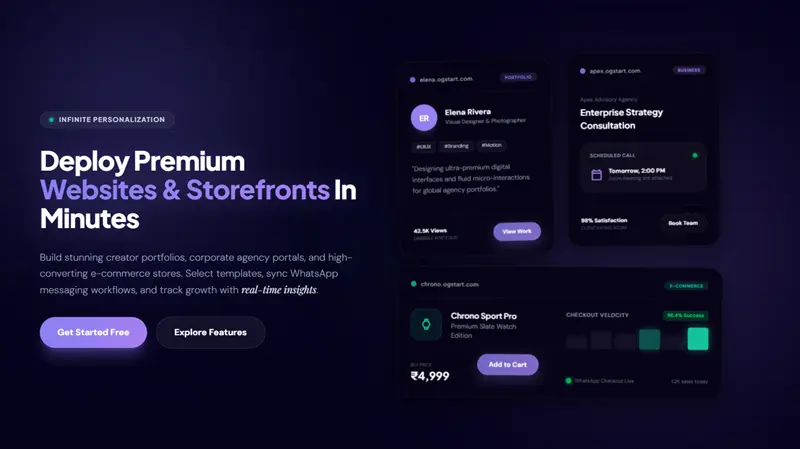
Launching an online store is an exciting venture, especially for first-time founders, freelancers, or local businesses eager to test new ideas and reach a wider audience. Platforms like OGStart.com make this accessible, allowing you to launch your business online for as little as Rs. 99, with the flexibility to upgrade only as your business flourishes. Once your digital storefront is live, the next critical step is ensuring customers can actually find you. This is where Search Engine Optimization (SEO) becomes your most powerful, cost-effective ally. Unlike paid advertising, which stops working the moment your budget runs out, SEO builds compounding organic traffic and sales over time, providing a sustainable foundation for growth.
In the dynamic landscape of 2026, Google's algorithms continue to evolve, placing a stronger emphasis on user experience, technical performance, and genuine authority. For new Shopify stores, navigating this environment can seem daunting. That's why we systematically analyzed the latest trends and best practices to develop a clear, actionable roadmap. This comprehensive guide outlines 8 non-negotiable steps designed to help your new Shopify store on OGStart.com explode organic traffic and sales, without requiring a massive upfront investment. We believe that by focusing on these core principles, you can build a strong online presence that scales with your business, just as OGStart.com is designed to do.
Understanding the Power of SEO for New Shopify Stores
Before diving into the specifics, let's establish why SEO is not just a 'nice-to-have' but a 'must-have' for your new online business. More than half of shoppers (54%) rely on search engines to research products before making a purchase. This means that if your store isn't visible in those search results, you're missing out on a vast pool of potential customers who are actively looking for what you sell. SEO helps you attract these high-intent shoppers without paying for every click, building credibility and a competitive edge over stores that may not be optimized.
For entrepreneurs launching on platforms like OGStart.com, where affordability and rapid deployment are key, SEO aligns perfectly with the "start small, launch fast, validate ideas affordably" philosophy. While OGStart.com handles the hosting, infrastructure, and website management, empowering you to focus on your business, implementing a smart SEO strategy ensures that the platform's technical robustness translates into visible results for your products and services. You bring your domain, and we handle the technical heavy lifting, allowing you to master your SEO game.
The 2026 Shopify SEO Road-map: 8 Non-Negotiable Steps
Here are the crucial steps we recommend for every new Shopify store aiming for sustainable organic growth:
1. Master Product-Centric Keyword Research
The foundation of any successful SEO strategy begins with understanding what your potential customers are searching for. For an e-commerce store, this means identifying transactional keywords – phrases people use when they're ready to buy. We initiate this by immersing ourselves in your product offerings and the language your target audience uses.
- Identify High-Intent Keywords: Focus on long-tail keywords (typically three or more words) that are specific to your products and niche. For example, instead of just "shoes," consider "women's eco-friendly running shoes size 7" or "men's waterproof hiking boots for winter". These keywords often have lower competition and attract buyers who know exactly what they want, leading to higher conversion rates.
- Utilize Free Tools: Leverage resources like Google Keyword Planner (free with a Google account), Google Trends, and even Google's autocomplete suggestions and "People Also Ask" sections. Typing your product ideas into Google or Amazon's search bar can reveal a wealth of related terms and questions people are actively searching for.
- Analyze Competitors: See what keywords your successful competitors are ranking for. Tools can help you uncover their keyword strategy, providing valuable insights into potential opportunities for your store.
Remember, your goal is to align your content with the terms and phrases your audience actively searches for.
2. Optimize On-Page Elements for Shopper Intent
Once you have your target keywords, the next step is to strategically integrate them into your Shopify store's pages. This tells search engines what your pages are about and helps them rank for relevant queries.
- Compelling Product Descriptions: Write unique, detailed, and benefit-oriented product descriptions. Avoid copying manufacturer descriptions, as duplicate content can hurt your rankings. Naturally weave in your target keywords, focusing on features, benefits, and why someone should buy from you.
- Keyword-Rich Meta Titles and Descriptions: These are the first things potential customers see in search results. Craft compelling meta titles (under 60 characters) and meta descriptions (around 155 characters) that include your primary keywords and encourage clicks.
- Clean, Descriptive URLs: Shopify automatically generates URLs, but you can customize them. Ensure your URLs are short, descriptive, and contain your primary keyword, using hyphens to separate words. For example, yourstore.com/collections/eco-friendly-shoes is better than yourstore.com/collections/product123.
- Image Optimization: Use high-quality product images, but ensure they are compressed for fast loading. Use descriptive file names and always include alt text with relevant keywords. This helps search engines understand your images and improves visibility in image search.
- Heading Structure (H1, H2, H3): Use a logical hierarchy of headings on your product, collection, and blog pages. Your main page title should be an H1, with sub-sections using H2s and H3s. This improves readability for users and helps search engines understand your content's structure.
3. Enhance Technical SEO: The Foundation of Discoverability
Technical SEO ensures that search engines can efficiently crawl, index, and understand your website. While OGStart.com handles much of the underlying infrastructure, certain aspects remain crucial for your Shopify store.
Site Speed and Core Web Vitals
Page speed is a critical ranking factor and directly impacts user experience and conversions. Google measures real-world user experience through Core Web Vitals (CWV): Largest Contentful Paint (LCP), Interaction to Next Paint (INP), and Cumulative Layout Shift (CLS).
- Optimize Images: Large, unoptimized images are a primary culprit for slow loading times. Compress images before uploading them, use modern formats like WebP or AVIF, and lazy-load images that are below the fold.
- Review Apps: Each Shopify app can add scripts that increase load time. We recommend regularly auditing your app list and removing any that don't provide significant value to your business.
- Mobile Responsiveness: A significant portion of e-commerce traffic comes from mobile devices, and Google prioritizes mobile-friendly sites. Ensure your Shopify theme is fully responsive and provides an excellent experience across all devices.
Structured Data (Schema Markup)
Structured data is code that helps search engines understand the content on your pages more deeply, allowing for rich results (like star ratings, prices, and availability) in search results.
- Implement Product Schema: This is crucial for e-commerce. It tells Google your product's name, description, price, currency, availability, and reviews, making your listings more prominent and clickable. Shopify themes often include basic product schema, but checking its completeness is important.
- JSON-LD Format: Google recommends using JSON-LD for structured data, which is easier to maintain and doesn't interfere with your HTML structure. Many Shopify SEO apps can help automate this, or you can consider custom code as your business grows.
4. Build a Logical Site Structure and Internal Linking
An intuitive site structure helps both users and search engines navigate your store. A well-organized site makes it easier for search engines to crawl and understand the hierarchy of your content, passing authority between pages.
- Flat Hierarchy: Aim for a structure where users can reach any product from your homepage within three clicks. A common structure is: Homepage > Category Pages > Product Pages.
- Descriptive Navigation: Use clear and descriptive names for your categories and subcategories in your main navigation menu. This aids user experience and helps search engines understand your site's topics.
- Strategic Internal Linking: Link related products, collections, and blog posts together. This passes "link equity" throughout your site, reinforcing topical authority and helping Google discover all your content. For example, a blog post about "The Best Summer Sandals" should link directly to your relevant product pages.
- Sitemap Submission: Ensure your sitemap is submitted to Google Search Console. This helps Google discover all the important pages on your site.
5. Cultivate High-Quality Content Marketing
Beyond product pages, creating valuable, informative content builds authority, engages your audience, and attracts organic traffic from informational searches. This is particularly vital for new stores to establish expertise and trust.
- Start a Blog: Use a blog to address customer questions, offer buying guides, compare products, or share industry insights related to your niche. Focus on "search intent" content that answers what your ideal customers are Googling. For example, if you sell artisanal coffee, write about "how to brew the perfect pour-over" or "the origin of Ethiopian Yirgacheffe."
- Content Clusters: Group related blog posts around central themes and link them together. This signals to Google that you have deep topical authority on a subject.
- Video SEO: Incorporate product videos or how-to guides. Optimize video titles, descriptions, and use video transcriptions for SEO benefits.
- User-Generated Content: Encourage customer reviews and testimonials. Not only do these build trust, but they also provide fresh, unique content that search engines love.
Content marketing is a powerful way to establish your brand's expertise and connect with your audience, leading to increased traffic and sales.
6. Build Authoritative Backlinks
Backlinks are links from other reputable websites pointing to your store. They act as "votes of confidence," signaling to search engines that your site is credible and trustworthy. For new stores, building a quality backlink profile is a long-term strategy but crucial for improving domain authority and rankings.
- Quality Over Quantity: Focus on acquiring links from relevant, high-authority websites rather than just any site.
- Guest Blogging: Offer to write high-quality articles for other websites in your niche. In return, you can often include a link back to your store.
- Digital PR and Brand Mentions: Engage in activities that can earn natural mentions of your brand or products on other sites. This could involve creating linkable assets like unique studies or tools, or reaching out to influencers and publications.
- Supplier and Manufacturer Links: Check if your suppliers or manufacturers have a "where to buy" section or a list of retailers where they can link to your store.
| Link Building for Informational Content | Link Building for E-commerce Product/Category Pages |
|---|---|
| Easier to acquire as blogs and guides are naturally shareable. | More challenging, as product/category pages are less "linkable" by nature. |
| Focus on content that educates, informs, or entertains. | Often requires creating "linkable assets" (e.g., in-depth guides, tools) and then internally linking to product pages. |
| Primary goal: increase overall domain authority and drive organic traffic to blog posts. | Primary goal: increase domain authority and directly improve rankings for transactional product/category pages. |
7. Implement Local SEO Strategies (If Applicable)
If your Shopify store serves a local customer base or has a physical presence, local SEO is essential. It helps you appear in local search results and attract nearby customers.
- Google Business Profile: Claim and optimize your Google Business Profile (formerly Google My Business). Ensure your store's name, address, and phone number (NAP) are consistent across your website and all online listings.
- Local Keywords: Integrate location-based keywords into your product descriptions, meta titles, and website content (e.g., "handmade jewelry Mumbai," "organic skincare Delhi").
- Customer Reviews: Encourage customers to leave reviews on your Google Business Profile, as these build trust and improve local rankings.
8. Monitor Performance and Adapt Your Strategy
SEO is not a one-time task; it's an ongoing process. Regularly monitoring your store's performance allows you to identify what's working, what's not, and where to adjust your strategy.
- Google Search Console: This free tool is indispensable. It shows you how Google views your site, which keywords you're ranking for, any crawling errors, and mobile usability issues.
- Google Analytics: Track organic traffic, user behavior (bounce rate, time on page), and conversion rates. This helps you understand how users interact with your site after finding it through search.
- Keyword Ranking Tools: While Google Search Console provides some keyword data, dedicated SEO tools can offer more in-depth insights into your keyword rankings and competitor performance.
- Regular Audits: Periodically audit your site for technical issues, content gaps, and new keyword opportunities. This ensures your Shopify store remains optimized in an ever-changing search landscape.
By constantly analyzing data, you can make informed decisions to refine your SEO efforts and maximize your store's organic growth. We believe in providing you with the tools and knowledge to adapt and thrive, just as OGStart.com allows you to scale your online business based on its actual growth.
Aligning Your Shopify SEO with Google's E-E-A-T Principles
In 2026, Google's E-E-A-T guidelines (Experience, Expertise, Authoritativeness, and Trustworthiness) are more critical than ever, especially for e-commerce sites. These principles guide Google in determining the quality and credibility of your content and your brand.
- Experience: Demonstrate first-hand experience with your products or the problems they solve. This can be done through product reviews, case studies, or sharing your personal journey as a founder.
- Expertise: Showcase your knowledge within your niche. Your blog content (Step 5) is perfect for this, positioning you as a thought leader and providing valuable insights to your audience.
- Authoritativeness: Build this through quality backlinks (Step 6) from respected sites in your industry. Mentions and citations from authoritative sources signal your site's importance to search engines.
- Trustworthiness: This is multifaceted. It involves providing clear contact information, secure payment options, transparent shipping and return policies, and gathering genuine customer reviews. Structured data (Step 3) also contributes by clearly presenting product information, fostering trust.
By actively building these signals across your Shopify store, you're not just optimizing for algorithms; you're building a stronger, more reputable brand that customers will trust and Google will reward.
Conclusion: Your Affordable Path to Organic Growth with OGStart.com
Embarking on the e-commerce journey as a new store owner can feel like navigating a complex maze. However, by leveraging the affordable and user-friendly platform that OGStart.com provides, coupled with a strategic approach to SEO, you can unlock immense organic growth without the prohibitive costs often associated with starting an online business. We've outlined 8 non-negotiable steps that form the bedrock of a robust SEO strategy for 2026, from meticulous keyword research and on-page optimization to technical enhancements, compelling content, and strategic link building.
Remember, your journey with OGStart.com begins with a low-risk, high-potential launch for Rs. 99, handling the technical infrastructure so you can concentrate on what truly matters: growing your business. By diligently implementing these SEO steps, you're not just chasing search rankings; you're building a valuable, sustainable asset that drives traffic and sales. Embrace the long game of SEO, monitor your progress, and adapt your strategies. With OGStart.com, you have the foundation to launch fast, validate affordably, and upgrade only when your organic growth demands it, ensuring your business thrives in the competitive online marketplace.
Start small, think big, and let SEO be the engine that propels your OGStart.com store to explosive organic traffic and sales.